Cappadocia Balloon Rides in Winter: The Honest Guide to December, January, and February
We are not going to pretend that winter is the easiest time to fly a balloon in Cappadocia. It is not. Temperatures drop below freezing. This is the highest cancellation-risk stretch of the year. You will wake up in the dark, check your phone for the “flight confirmed” message, and there is a real chance it says “cancelled due to wind.” That is the honest truth about flying in winter.
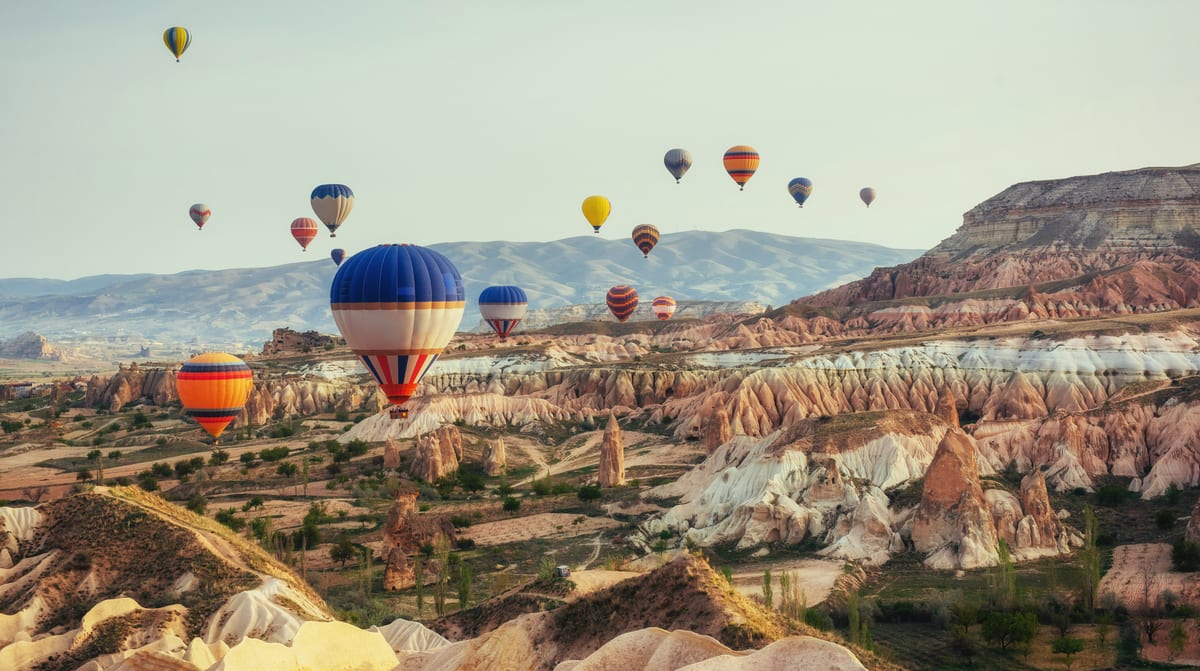
But here is the other truth: when a winter flight does happen, it is unlike anything the summer visitors experience. Snow-dusted fairy chimneys. Air so still the balloon can feel almost motionless, drifting over valleys such as Love Valley on the calmest mornings. A sky with far fewer balloons than the crowded peak-season mornings. The silence is deeper, the light is sharper, and the champagne at landing tastes better when your cheeks are numb. Winter flying in Cappadocia is a calculated gamble, and for the right traveler, it pays off spectacularly.
Winter Weather: Month by Month
December
December marks the transition into true winter. Sunrise temperatures are cold, often at or below freezing. Snowfall is likely, though not guaranteed—some Decembers stay dry and cold, others bring heavy snow by mid-month. Sunrise comes late, around 7:25 AM, which means the pre-dawn wake-up is more manageable than summer's early alarm. Hotel pick-up shifts later to match, with the exact time confirmed by the operator the evening before.
This is typically the most flight-disrupting weather of the year. Wind is the primary culprit. Cold temperatures alone do not ground flights—the balloon envelope actually performs well in cold, dense air. Strong and gusty winds associated with winter weather systems are what keep us on the ground.
January
January is the coldest month in Cappadocia. Overnight lows drop well below freezing, and sunrise temperatures are the coldest of the winter, sometimes significantly so. Snow cover is common, transforming the landscape into something from a picture book—white chimneys, frozen vineyards, and clear blue skies on calm days. Sunrise is around 7:30 AM.
The weather remains among the most flight-disrupting of the year. We recommend booking at least three, ideally four mornings for your flight. The good news: when flights do operate, far fewer balloons take off than in peak season. The sky belongs to a handful of passengers, and the experience feels genuinely intimate.
February
February is January's slightly warmer sibling. Sunrise temperatures are still cold, often close to freezing, but milder than January. Daylight hours increase noticeably, and by late February, you can feel the season starting to shift. The weather eases slightly—still often unsettled, but an improvement. Snow is still possible, and February can produce some of the most dramatic balloon photographs of the year.
Winter Flight Details at a Glance
| Detail | December | January | February |
|---|---|---|---|
| Sunrise | ~7:25 AM | ~7:30 AM | ~7:10 AM |
| Temp at sunrise | Cold, at or below freezing | Coldest of the winter | Cold, easing slightly |
| Typical weather | Often unsettled | Most often unsettled of the year | Often unsettled |
| Balloons in sky | 10–20 | 10–20 | 15–25 |
| Crowd level | Very low | Very low | Very low |
| Recommended mornings | 3–4 | 3–4 | 3 |
What to Wear for a Winter Balloon Flight
This is not the time for fashion. This is the time for survival layering. The temperature in the basket matches the ground temperature, and you will be standing still at altitude with no wind shelter. Here is what we recommend:
- Base layer: Thermal top and bottom (merino wool or synthetic)
- Mid layer: Fleece or wool sweater
- Outer layer: Down jacket or heavy winter coat, windproof
- Hands: Insulated gloves—not thin fashion gloves. Your fingers will be numb within minutes otherwise. If you plan to use your phone for photos, get touchscreen-compatible gloves.
- Head: Warm beanie or thermal hat that covers your ears
- Neck: Scarf, buff, or balaclava
- Feet: Warm boots with thick soles. The launch field is often frozen or snow-covered.
- Extras: Hand warmers (pocket-sized heat packs) are a game-changer in well-below-freezing cold
For photographers worried about gear in the cold: lens fog is real. When you move from the warm transfer vehicle into the freezing air, your lens can fog over. Take your camera out of the bag 10–15 minutes before the flight to let it acclimate. Our photography guide has more cold-weather camera tips.
Why Winter Flights Are Worth the Gamble
Many pilots consider January and February among their favorite months to fly. Here is why:
- The snow transforms everything. Fairy chimneys capped in white, valleys frosted silver, and the volcanic rock showing colors you never see in summer—deep reds and purples against the snow.
- The air is cleaner. Cold, dense winter air means sharper visibility. On the clearest January mornings, you can see Mount Erciyes (3,917 meters) 80 kilometers to the east, its summit gleaming white.
- Fewer balloons mean more space. Instead of maneuvering among the large summer fleet, pilots have much more of the sky to themselves. Operators say routes can be more varied and descents into valleys deeper. The experience feels more like private aviation than mass tourism.
- The silence is different. With far fewer burners firing than a busy summer morning, the silence over a snow-covered valley between burns is striking.
How to Maximize Your Chances of Flying
With weather disruption at its most frequent, planning is everything. Here is our advice:
- Stay at least 3–4 nights. This gives you three or four chances at a flight morning. Winter cave-hotel rates in Göreme are typically well below peak-season prices, so extending your stay is usually affordable—check current rates when you book.
- Book your flight for your first available morning. If it is cancelled, we help you rebook for another morning, though the new date is a separate booking subject to that day's price and availability—no slot is guaranteed. Do not save the balloon flight for your last day—you might run out of mornings.
- Monitor our WhatsApp updates. We send flight confirmations the evening before. If the forecast looks bad for multiple days, we can advise you on the best backup activities.
- Be flexible with your departure. If possible, do not book a fixed flight home on a tight schedule. The travelers who enjoy winter Cappadocia most are the ones who treat extra days as a bonus, not a burden.
What to Do If Your Flight Is Cancelled
Winter in Cappadocia is not a balloon-or-nothing destination. The underground cities—Derinkuyu and Kaymakli—are naturally heated by the earth and comfortable year-round. Göreme Open Air Museum is quieter in winter than any other season. Valley hikes through Pigeon Valley and Red Valley are stunning in snow, as long as you have warm boots.
Pottery workshops in Avanos run year-round. Turkish baths (hamam) are especially enjoyable when it is freezing outside. And the cave hotel experience itself—a warm room carved into volcanic rock, with a wood fire and Turkish breakfast of fresh simit, börek, cheese, and cay—is part of the reason you came. We have 12 alternative activities listed in our cancelled flight guide.
Our Flight in Winter
Our Sunrise Balloon Flight (from €150 per person) runs year-round, including through winter. With fewer passengers booking in the cold months, it already feels less crowded than summer—great value for the same included champagne toast and flight certificate. With so few balloons in the sky, the experience feels extraordinarily intimate, and operators say routes can vary more than in summer's crowded airspace.
Winter Hotel Prices and Value
Winter is generally the most affordable time to visit Cappadocia. Cave hotel rates typically drop well below summer peak-season prices, and many properties offer multi-night discounts—check current rates when you book. The cave rooms are naturally insulated, staying cool in summer and warm in winter, so comfort is not a concern. See our cave hotel guide for properties with terrace views.
The overall trip budget in winter is generally lower than peak season, thanks to more affordable accommodation and quieter attractions—our balloon flight price itself does not change with the season. Exact trip costs vary widely depending on your choices, so treat any total as a rough starting point rather than a fixed figure.
Frequently Asked Questions
Do balloon flights operate in snow?
Snow on the ground does not prevent flights. Cold air is actually denser, which helps the balloon perform well. What grounds flights is wind and active snowfall that reduces visibility. A clear, calm morning after a snowstorm is one of the best times to fly.
Is it safe to fly in freezing temperatures?
Yes. Flights only go ahead when the assigned operator and pilot judge conditions safe, and equipment and pilot suitability for the day's conditions are confirmed by the assigned operator, not guaranteed in advance for every operator. The balloon envelope and burner system generally function well in cold air—the burner heats the air inside the envelope more efficiently when outside temperatures are low. Learn more about our safety standards on our safety page.
How cold does it actually feel in the basket?
The temperature in the basket matches the ground temperature at launch. However, the burner above you radiates significant heat downward when it fires, creating brief warm pulses. Between burns, you feel the full chill. In sub-zero temperatures, exposed skin (face, hands) feels the cold within minutes. Proper layering makes the difference between suffering and enjoying the experience.
Should I visit Cappadocia in winter or wait for spring?
It depends on your priorities. If flying is your main goal and you have limited flexibility, wait for April or later when the weather calms, though it can still be occasionally unsettled. If you value the unique winter scenery, low prices, no crowds, and have 3–4 mornings to try, winter delivers an experience that peak-season visitors never see. Our complete best-time guide compares every month side by side.
What is the refund policy for winter cancellations?
If we cancel your flight for weather or operational safety reasons, your booking is refunded (a €10 per-passenger card-processing fee applies to card refunds; cash or bank-transfer refunds have no deduction). Rebooking to a new date is not automatic or free—the new date is a separate booking subject to that day's price and availability, and no slot is guaranteed for the next morning. See our cancellation policy for details.
Related Articles
Cappadocia Balloon Weather Forecast & Fly Probability: The Complete Data Guide
Cappadocia balloon weather data: weather patterns by month, SHM flight-status process, wind limits, and how to maximize your fly probability. Plan smarter.
Cappadocia Balloon All-Inclusive Package: What You Get, What You Pay, and What to Watch Out For
What is really included in a Cappadocia balloon all-inclusive package? Transfer, a light snack, flight, champagne. Our flight starts from EUR 150 — what to check before you book a bundle.
Cappadocia Balloon Rides: Accessibility & Health Requirements
Cappadocia balloon accessibility and health requirements: mobility issues, heart conditions, weight limits, age restrictions. Honest answers for every concern.
Snow-Covered Fairy Chimneys. 15 Balloons. Your Basket.
Winter sunrise flights from EUR 150 per person. Same all-inclusive experience: hotel pick-up, a light snack with hot and cold drinks, champagne toast, and flight certificate.
Book Your Winter Flight