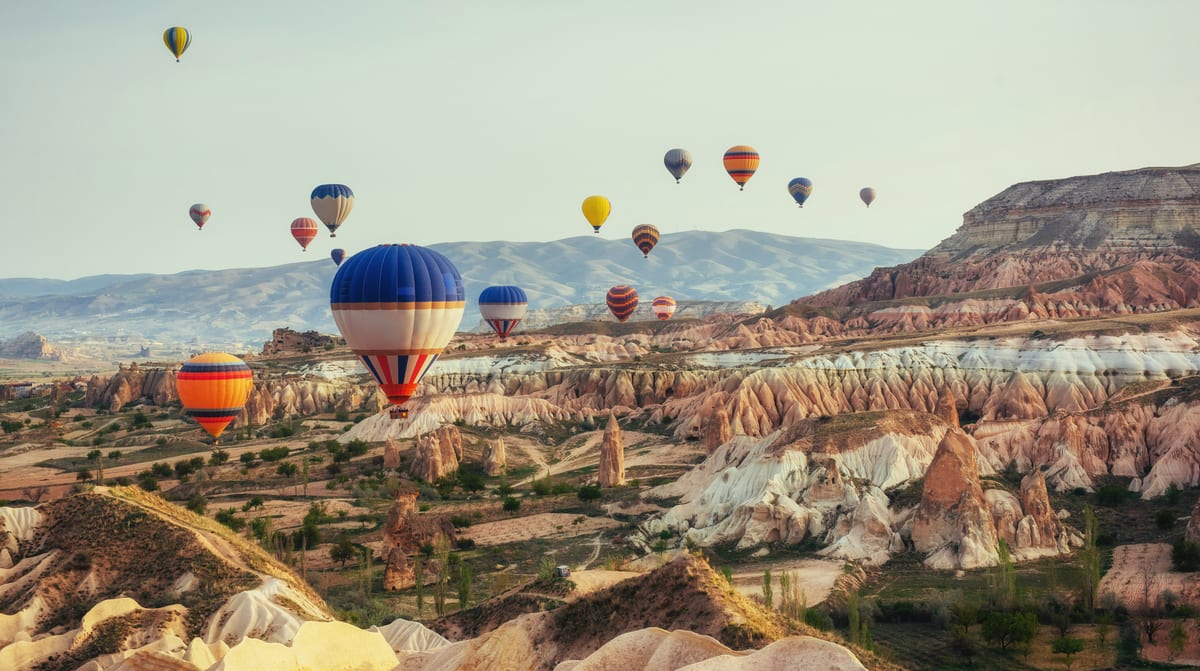
Cappadocia Balloon Ride: Motion Sickness & Vertigo Tips
Motion sickness is generally uncommon on hot air balloon flights. A hot air balloon moves with the wind, not against it—so there is almost no turbulence, rocking, or lateral movement. If you have ever felt sick on a boat or in the back seat of a car, a balloon is a completely different experience.
Why Balloons Rarely Cause Motion Sickness
Motion sickness happens when your inner ear detects movement that your eyes do not confirm, or vice versa. On a balloon flight, there is no conflict. You rise slowly, drift with the air current, and your body barely registers the motion. There is no engine vibration, no swaying, and no sudden direction changes.
The basket feels remarkably stable. Many passengers are surprised that they cannot feel the movement at all—only the changing view below tells them they are moving. For a full description of the in-basket experience, read our what to expect guide.
What About Vertigo and Fear of Heights?
Vertigo triggered by heights usually requires a visual reference point connecting you to the ground—like looking down from a tall building or a cliff edge. In a balloon, the ground is far enough below that it looks more like a map than a drop. The basket walls come up to your chest, and there is no edge to peer over nervously. Many people with mild to moderate height anxiety find they feel calmer than expected once airborne, though this varies from person to person.
We wrote a dedicated article on this topic: fear of heights and why balloons feel different.
Practical Tips If You Are Concerned
- Eat something light beforehand. A light snack with hot and cold drinks is served before the flight—not a full breakfast. Stick to something plain like bread and tea if you're prone to motion sickness, and avoid heavy or greasy food.
- Stay hydrated. Drink water before and during the flight. Dehydration can worsen any nausea.
- Consider an over-the-counter motion sickness remedy. If you know you are sensitive, ask your doctor or pharmacist about an appropriate non-drowsy option and the best timing before your flight.
- Look at the horizon. If you feel any unease, focus on the distant landscape—the fairy chimneys, Uchisar Castle, the valleys below. Looking at a fixed point helps your brain match what it sees with what it feels.
- Stand near the center of the basket. The edges offer the best views but the center is the most stable spot. Let the crew know your concern when you book your flight—many operators can position you accordingly.
- Avoid your phone screen. Scrolling through your phone mid-flight is the one thing that can trigger mild nausea at altitude. Enjoy the view with your eyes first, then take photos.
What About the Landing?
The landing is the only moment you might feel a bump. The pilots aim for a soft touchdown on the trailer, but occasionally the basket makes contact with the ground at a slight angle. You brace by holding the basket ropes and bending your knees—the crew briefs you on this before you fly. This is normal and lasts only seconds.
The Short Answer
If you can ride in a car without getting sick, you can fly in a balloon. The motion is gentler than an elevator—a balloon moves with the wind rather than against it, so there is none of the jolting or swaying that causes most motion sickness. Many passengers forget they were worried once they are airborne.
Still have questions about whether a balloon ride is right for you? Check our accessibility and health requirements guide or read 30 common balloon ride questions answered.
Related Articles
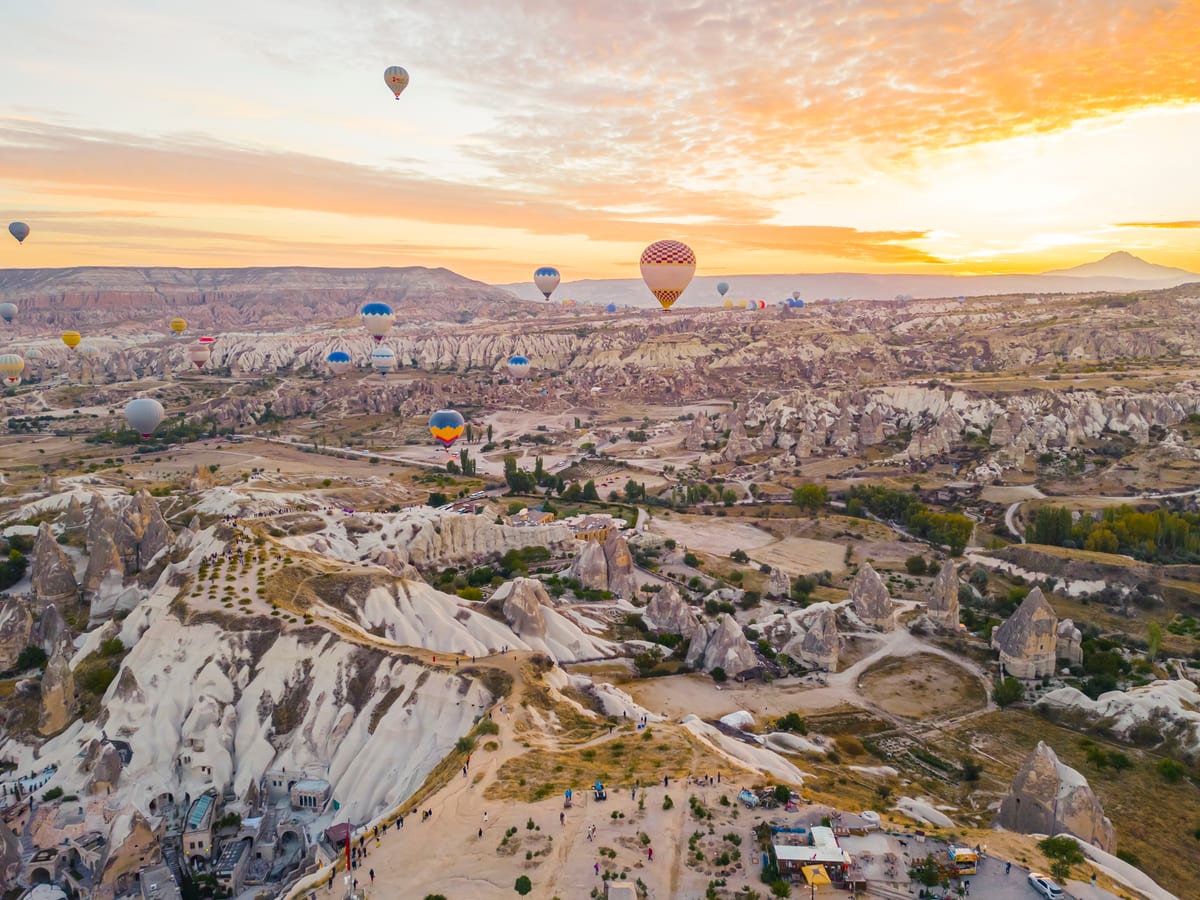
Cappadocia Balloon Tipping Guide: How Much to Tip Your Pilot and Crew
How much to tip your Cappadocia balloon pilot and crew. EUR 5-10 per person for the ground crew. Who to tip, when, and local tipping customs explained.
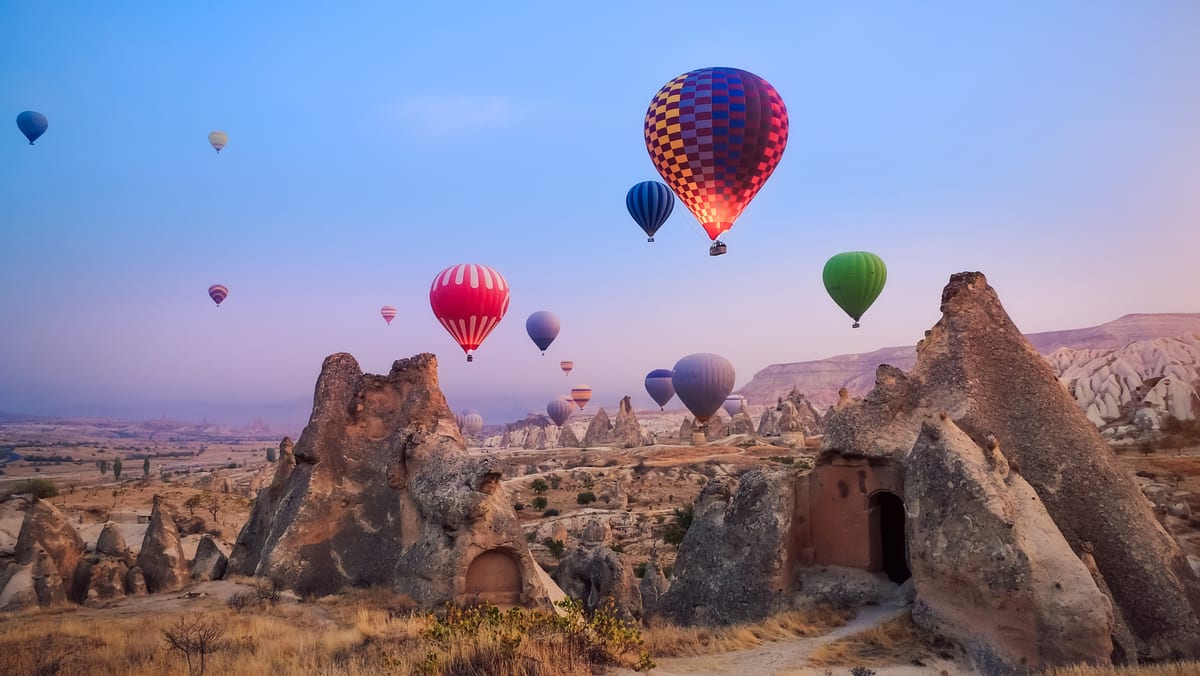
How High Do Cappadocia Balloons Fly? Altitude Facts
Cappadocia balloons reach 300-900 metres above ground. Learn about altitude ranges, pilot decisions, and what the view looks like from different heights.
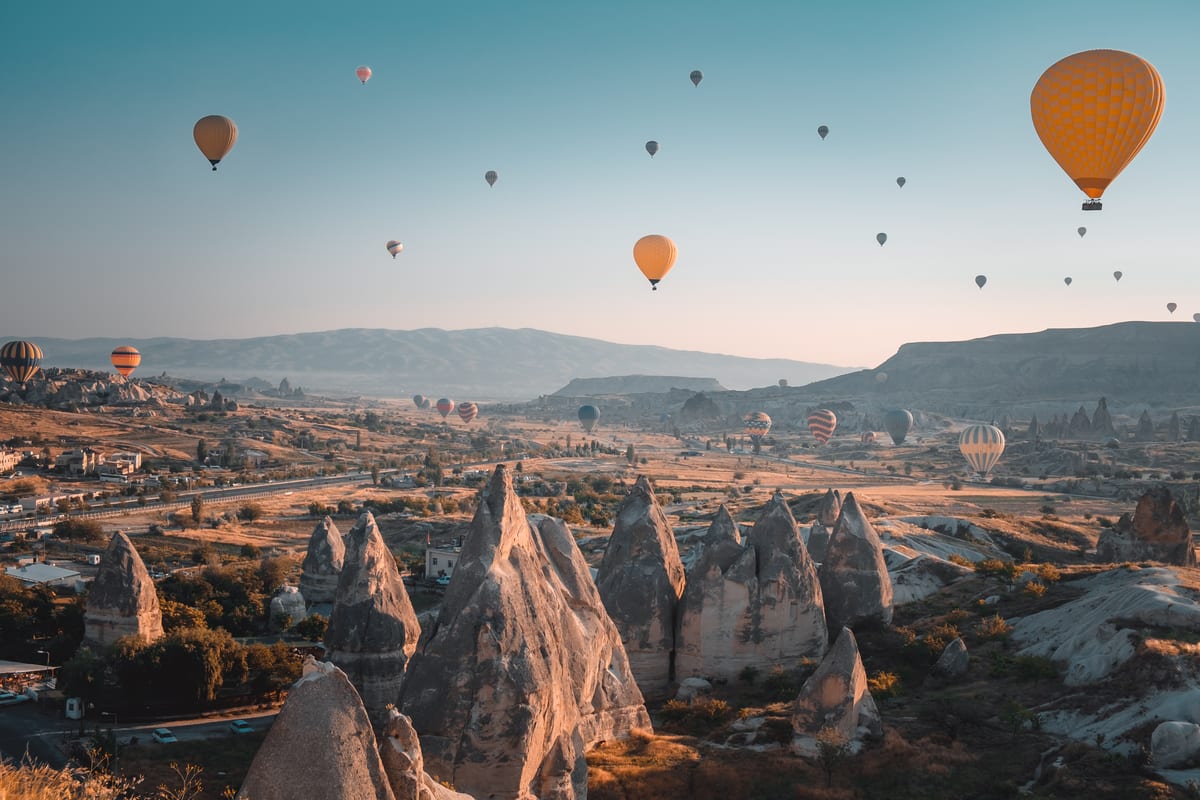
Your Flight Certificate: The Cappadocia Balloon Souvenir You'll Keep
Every Cappadocia balloon passenger receives a flight certificate signed by the pilot after landing. How to get it and framing ideas.
Smoother Than You Think
Sunrise balloon flights from EUR 150 per person. Hotel pick-up, a light snack, champagne toast, and flight certificate included. The calmest adventure you will have yet.
Book Your Balloon Flight