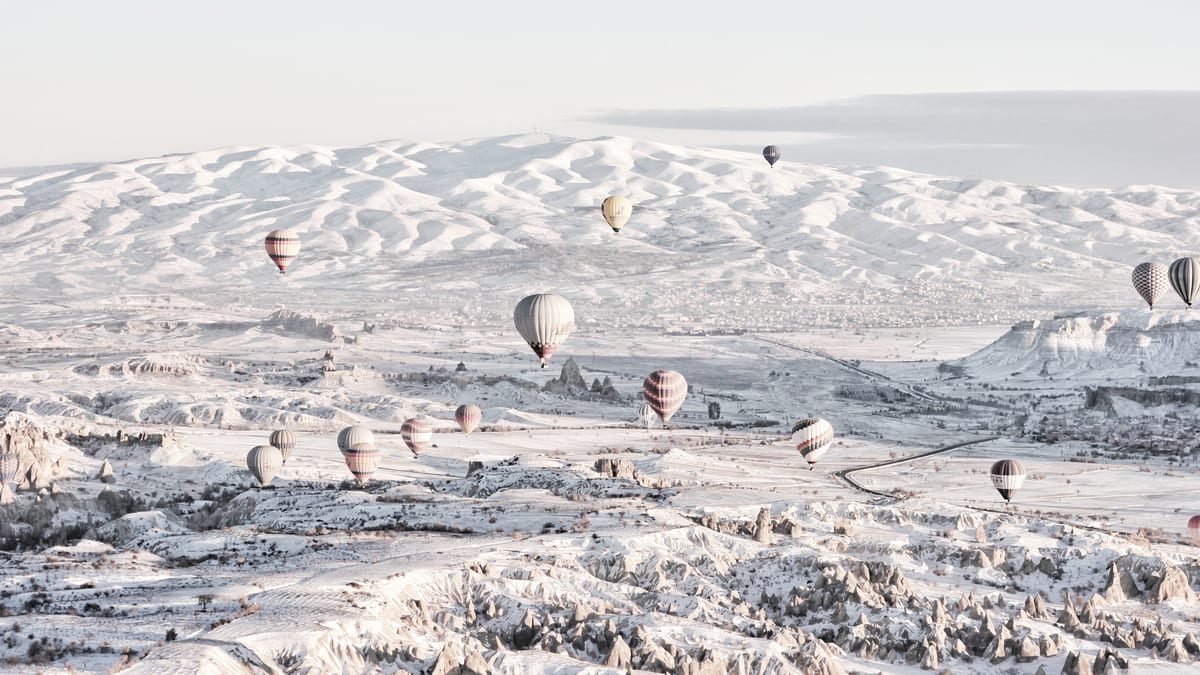
What Happens Inside a Hot Air Balloon Basket: The Full Experience
The roar of the burner is louder than you expected—a deep, throaty blast of heat that you feel on the top of your head. Then silence. Complete, wind-free silence, broken only by a rooster crowing somewhere in Goreme far below. You grip the edge of the wicker basket and look down at a patchwork of vineyards and fairy chimneys shrinking beneath your feet. This is what happens inside the balloon basket, minute by minute, sense by sense.
The Basket Itself: Size, Shape, and Construction
A balloon basket (never called a “gondola” in the ballooning world) is made of woven wicker—rattan or willow—reinforced with steel cables and a stainless-steel frame. Wicker is used specifically because it absorbs impact on landing, flexing rather than cracking. The material has been the standard since the Montgolfier brothers first flew in 1783, and it remains the best option for a reason.
The walls reach roughly chest height on an average adult—high enough that you feel secure, low enough that you can lean over the edge comfortably. Handholds and rope loops run along the top edge for stability during inflation, ascent, and landing.
Our Cappadocia Sunrise Balloon Flight uses a basket built for 22–28 passengers plus the pilot, divided into compartments around a central burner column. The compartment dividers are padded wicker walls about waist height. They keep passengers distributed evenly for weight balance and give everyone their own section of the edge to lean against.
Before You Climb In: The Inflation
You arrive at the launch field while it is still dark, timing shifting with the season's sunrise. The balloon envelope is already spread out on the ground, and a large fan is blowing cold air into it. The fabric ripples and swells, slowly taking shape against the pre-dawn sky. Then the pilot fires the burner into the mouth of the envelope, and the whole balloon begins to rise from horizontal to vertical. It takes about 10–15 minutes.
During inflation, you stand nearby and watch. This is one of the best photo opportunities of the entire morning—rows of colorful envelopes inflating across the field, crew members silhouetted against burner flames, other balloons already lifting off in the distance. Keep your camera ready.
Climbing Into the Basket
Once the balloon is upright and stable, the crew holds the basket while you climb in. There are footholds cut into the wicker side—two rectangular holes you step into, then swing your leg over the top edge. It is similar to climbing into a high bathtub. The crew assists anyone who needs a hand. If you have mobility concerns, let us know when you book so we can check what boarding assistance the assigned operator can arrange—options vary by operator and are not guaranteed on every flight.
The pilot directs you to a specific compartment based on weight distribution. If you want an edge position for photography, mention it when you book your flight and arrive early. Edge spots fill first.
Liftoff: What It Feels Like
This surprises everyone: you do not feel the liftoff. There is no jolt, no lurch, no stomach-drop sensation. The ground simply begins to recede. One moment the crew is holding the basket, and the next you notice that the people below are getting smaller. It is the gentlest departure in aviation.
Within moments, you are above the rooftops of Goreme. Within the first few minutes, you can see Love Valley, Rose Valley, and the fairy chimneys stretching in every direction. The pilot adjusts altitude by firing the burner in short bursts—three to five seconds of that loud roar, then silence again.
The Sounds of a Balloon Flight
Between burner blasts, the silence is the most unexpected part. There is no engine hum, no wind noise (because you are moving with the wind), no mechanical sound of any kind. What you hear instead:
- Dogs barking in Goreme and Uchisar far below
- Roosters crowing at sunrise
- The burners of other balloons firing in the distance—a soft whoosh that carries through the still morning air
- Passengers in nearby balloons talking (sound carries surprisingly far at altitude)
- Occasionally, a muezzin's call to prayer echoing up from a valley mosque
This acoustic experience is something photographs cannot capture. It is one of the reasons so many passengers describe the flight as meditative rather than thrilling.
The Temperature Inside the Basket
The basket itself stays warmer than you expect, for one simple reason: the burner is directly above your head. Each blast of propane flame sends a wave of heat downward. Your head and shoulders warm up; your feet stay cooler. The temperature difference between the basket floor and the top edge can be 5–8°C.
At launch, early morning temperatures in Cappadocia range from –5°C in January to 15°C in July. By the time you land about an hour later, the sun has risen and the air warms quickly. Layers are the answer: a warm jacket you can unzip as the flight progresses. For detailed clothing advice by season, see our what to wear guide.
What You See: The View from 300 Meters
Cappadocia's landscape was formed by volcanic eruptions millions of years ago, then carved by wind and water into the fairy chimneys, valleys, and cave formations you fly over. From the basket, you get a perspective that no ground viewpoint can match:
- Love Valley: Tall, narrow rock pillars rising from a green valley floor. The shapes are unmistakable and often get a reaction from first-time passengers.
- Rose Valley: Pink and orange rock faces that glow intensely when the sunrise light hits them directly. This is the golden hour money shot.
- Pigeon Valley: A wide canyon between Goreme and Uchisar, dotted with pigeon houses carved into the cliffs centuries ago.
- Uchisar Castle: The highest point in Cappadocia, a massive rock fortress riddled with tunnels. From the balloon, you look down on it.
- Goreme town: Cave hotels, minarets, and the Goreme Open Air Museum spread below like a miniature village.
The pilot typically varies altitude throughout the flight—climbing to 300–400 meters for panoramic views, then descending to 30–50 meters to skim the tops of fairy chimneys. Those low passes are a highlight: close enough to see lizards on the rocks, close enough that you could almost reach out and touch a tree. For a full valley-by-valley breakdown, read our flight route and scenery guide.
Can You Move Around in the Basket?
Within your compartment, yes. You can turn, lean over the edge, crouch down for a different camera angle, or shift from one side to another. Moving between compartments is not allowed during flight because it affects the basket's weight distribution. The pilot may ask passengers to shift together during descent to assist with a smooth landing approach.
There is no seating in a balloon basket—everyone stands for the entire flight, roughly an hour. If you have joint, back, or other mobility concerns, check our accessibility and health guide and confirm your needs with the assigned operator before booking.
The Pilot: What They Do During the Flight
Your pilot is an SHGM-licensed commercial professional. During the flight, they control altitude using the burner (up) and a vent at the top of the envelope (down). Horizontal direction is controlled by finding wind currents at different altitudes—the wind at 100 meters may blow north while the wind at 300 meters blows east. Skilled pilots use these layers to steer the balloon toward specific valleys and landmarks.
Most pilots narrate the flight, pointing out landmarks and answering questions. They are also in constant radio contact with the ground crew, who follow the balloon by road in chase vehicles. The ground crew meets you at the landing spot with the trailer, champagne, and your flight certificate.
The Landing: Brace Position and Touchdown
About 10 minutes before landing, the pilot briefs everyone on the landing position: face the direction of travel, hold the rope handles inside the basket, and bend your knees slightly. The basket may tip or drag a few meters on touchdown—this is normal and lasts only seconds.
The ideal landing is directly onto the trailer, which the ground crew positions by driving underneath the descending balloon. When it works perfectly, the basket settles onto the flatbed with barely a bump. Sometimes wind conditions require a field landing, which is slightly bumpier but is a routine, well-practiced landing method. Our safety guide covers the full protocol.
After Landing: Champagne, Certificates, and Photos
The moment the basket is secured, the celebration begins. The ground crew pops a bottle of champagne and pours a toast—a familiar ballooning custom. You receive a flight certificate signed by the pilot.
You're welcome to take your own photos throughout the flight and the celebration with your own device—there is plenty of time for group shots after landing.
Insider Tips for the Best Basket Experience
- Arrive early to the launch field. The first passengers to climb in often get the edge positions with the best views.
- Secure loose items. Phones, lens caps, scarves—anything that can drop is at risk during burner blasts and landing. Use a wrist strap on your phone and zip your pockets.
- Wear flat shoes with grip. The basket floor is wicker. Heels, flip-flops, and smooth-soled shoes are not ideal. Sneakers or hiking shoes work best.
- Bring a light layer. Even in summer, the first 15 minutes at altitude can feel cool. You can always take it off as the sun rises.
- Put your phone away for the first five minutes. The liftoff and initial ascent are the most magical moments. See them with your eyes first. The photo opportunities last the entire flight.
For a complete checklist of what to bring and what to leave at the hotel, see our 21 tips for first-time flyers.
Related Articles
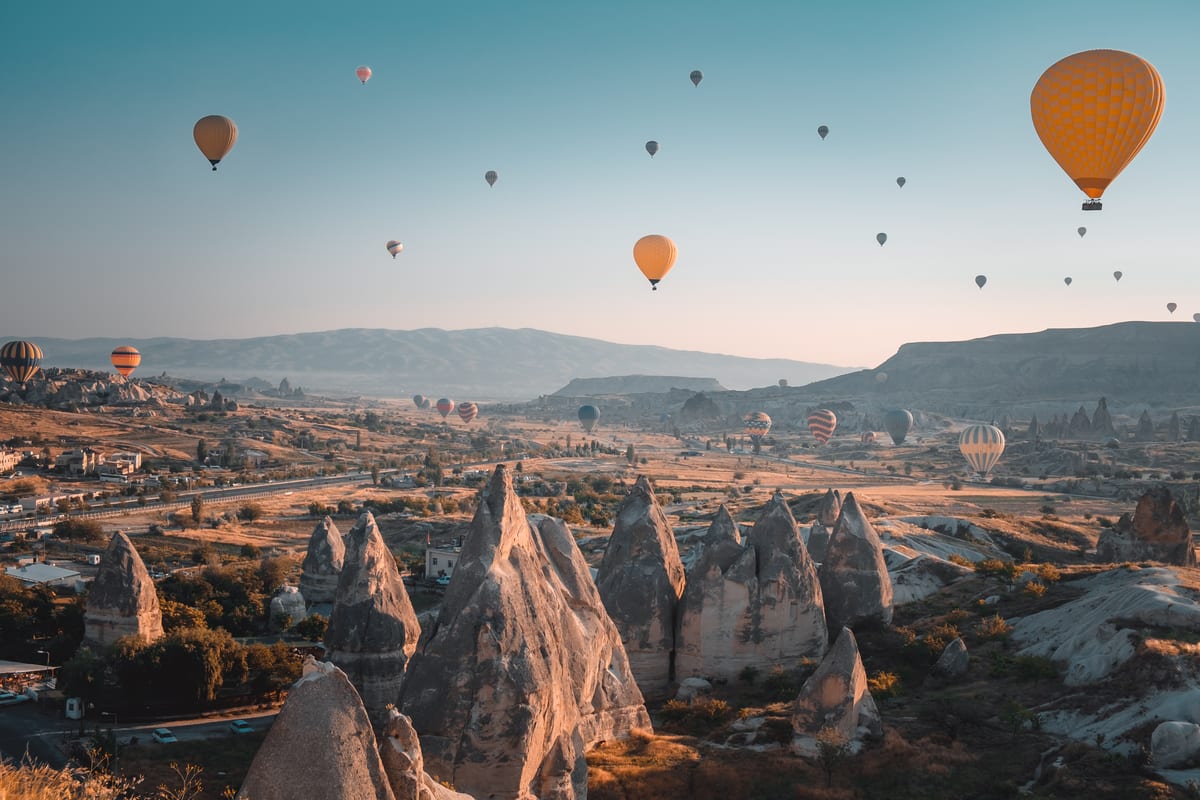
Cappadocia Balloon Environmental Impact: What You Should Know
Environmental impact of Cappadocia balloon flights: propane emissions, wildlife effects, land use, noise, and what operators are doing to reduce their footprint.
Cappadocia Balloon Photography: The Complete Guide
Cappadocia balloon photography complete guide: camera settings, lens choices, phone vs DSLR, golden hour timing, basket angles, and editing tips. From EUR 150.
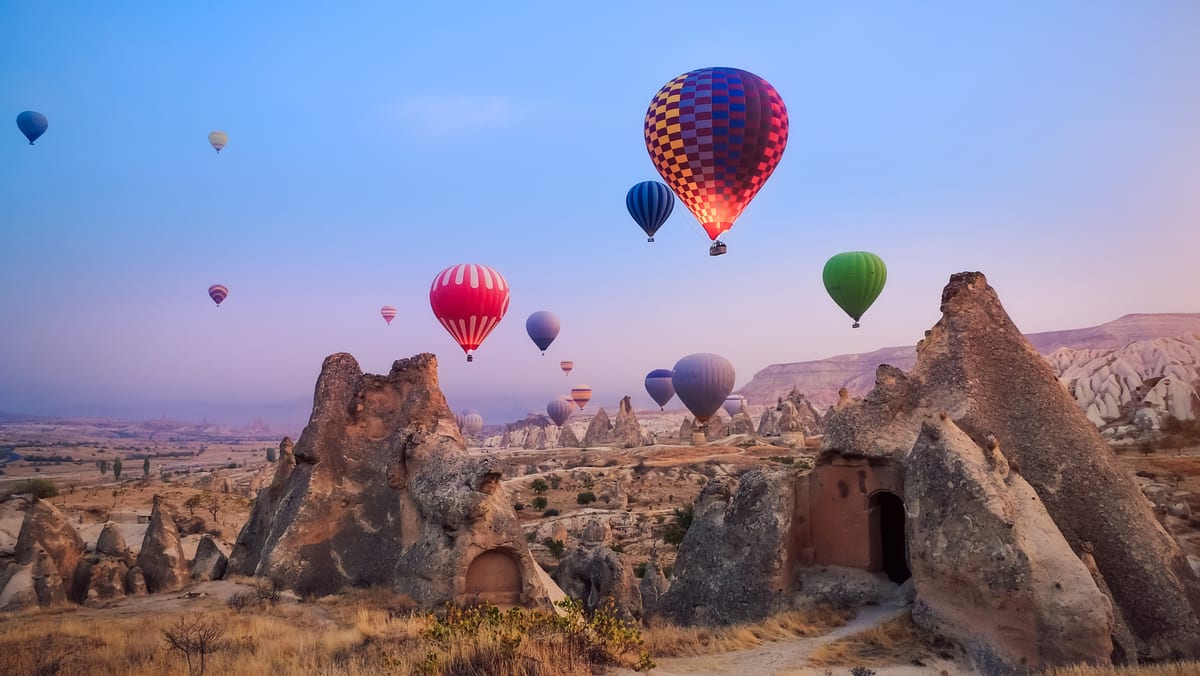
Cappadocia Balloon Pilot Training & SHGM Regulations
How Cappadocia balloon pilots are trained and licensed under SHGM regulations: required flight hours, CAA exams, annual checks, and what it means for your safety.
Experience It for Yourself
Sunrise balloon flights from EUR 150 per person. Hotel pick-up, a light snack with hot and cold drinks, champagne toast, and flight certificate included.
Book Your Balloon Flight